|
||||||
The Life and Work of Sandro Botticelli
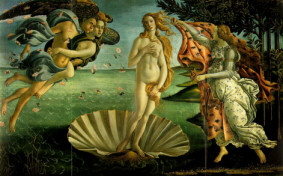
The life and work of Sandro Botticelli were seldom mentioned for several centuries following the end of the Italian Renaissance. The name Sandra Botticelli is so well known today that it is surprising that his life and work merited so little attention for so long. Sandro Botticelli was born in 1445, and he began his artistic life working as an apprentice to a goldsmith. Life in Florence would have been stimulating for a young man like Sandro Botticelli, and his work was patronized by the powerful Medici banking family, Florentine churches, and even the papacy for whom he executed frescoes in the Sistine Chapel in Rome. An interest in his life and work was resurrected by the nineteenth century Pre-Raphaelites, a Victorian brotherhood of artists who turned away from the High Renaissance art epitomized by Raphael. Late in life, Sandro Botticelli destroyed many of his own works.The masterpiece works of Sandro Botticelli done in mid-life are the famous Birth of Venus and its companion piece, Primavera, painted for the villa of Lorenzo di Pierofrancesco de' Medici in Castello, later known as Lorenzo the Magnificent. Late in life, Sandro Botticelli developed a fervent religiosity, destroying many of his own paintings as he fell under the spell of the monk Fra Girolamo Savonarola. Denouncing Florentine worldliness, Savonarola was burned at the stake in 1498. Greatly affected by the death of the monk, after 1500 Sandro Botticelli painted very little in his remaining life, eventually giving work up altogether. He died in 1510. Boticelli was an apprentice early in life to Early Renaissance painter Fra Filippo Lippi. He was influenced by Verrocchio, and worked with Antonio del Pollaiuolo. Brenda Harness, Art Historian
| ||||||
|
 QUOTE
QUOTE
|
Welcome ! |
|
We respect your privacy and will never sell your personal information. |
| Click here to sign up for our newsletter. |
Buy great
art books
at Amazon!
Home Glossary of Terms Contact Us About Us Newsletter Subscription