|
||||||
Late Renaissance or Mannerism in Art
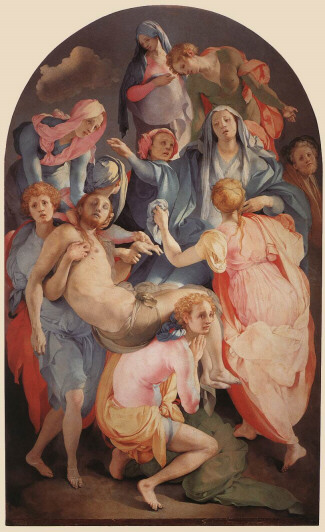
Mannerism in art appears following the death of Raphael Sanzio in 1520, a new style that emerged in Florence and Rome. Focused on the human figure, Mannerism in art depicted forms in contorted poses with more emotional content, a somewhat disturbing unrest, an almost surreal feeling evident. Rejecting the stability and classical ease of the High Renaissance, mannerism in art reflected the general turmoil in Europe present at the time with the sack of Rome in 1527, the Reformation, and new outbreaks of plague. Mannerism in art, gaining popularity in much of Europe and northern Italy, featured the use of distorted figures in complex, impossible poses, and strange artificial colors. Bridging the gap between the High Renaissance Art and the Baroque Art style of the 17th century, the style of Mannerism in art came to an end around 1600. Brenda Harness, Art Historian
| ||||||
|
 QUOTE
QUOTE
|
Welcome ! |
|
We respect your privacy and will never sell your personal information. |
| Click here to sign up for our newsletter. |
Buy great
art books
at Amazon!
Home Glossary of Terms Contact Us About Us Newsletter Subscription