
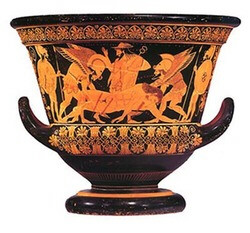
 10/26/2006 – In a recent art controversy with Italian authorities, the J. Paul Getty Museum has agreed to return disputed antiquities. This art controversy has caused the Getty to change its acquisition policy and only buy those works which have been in the United States for at last 36 years or those works legally exported.
This accords with rules designed to avoid art controversy used by U.K museums in an effort to reduce the link between museum sites and illegal antiquities traffic of looted items.
According to the Getty’s new rules in resolving this art controversy, legal exports are those leaving their home country after Nov. 17, 1970 with proper documentation, an idea which was first adopted by a U.N convention.
Former Getty curator, Marion True, embroiled in this art controversy for more than a year, has been brought up for trial in Rome on charges that she obtained ancient art which was illegal excavated for the museum. She denies the charges claiming that she obtained them in good faith.
Art Controversy Over Euphronios Krater Resolved with its Return to Italy
Like the Getty, the Metropolitan Museum has recently resolved its own similar art controversy regarding illicit antiquities when it returned the famous Euphronios Krater to Italy last year. The Euphronios Krater is a Greek red-figure vessel excavated in Italy for mixing wine, and there are only 27 vessels by Euphronios known to exist.
After an investigation into this art controversy, it was determined that the Metropolitan had purchased the krater from Robert Hecht, an antiquities dealer based in Rome, who in turn had acquired it in 1972 from Giocomo Medici, an Italian dealer convicted in 2006 of selling stolen artifacts.
Brenda Harness, Art Historian